
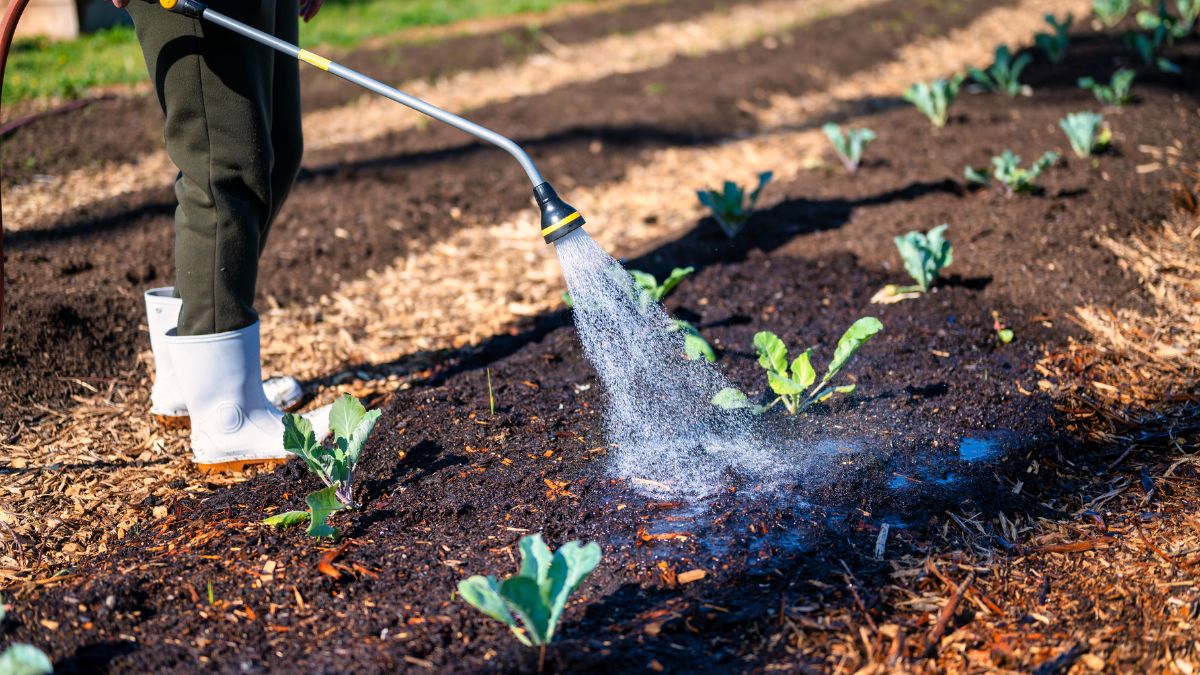
In agriculture, plant diseases can wreak havoc on crops, reducing yield, quality, and farmer income. Understanding the most common plant diseases and how to prevent them is key to successful farming. Whether you’re growing vegetables, fruits, grains, or flowers, proactive disease management is essential.
Here’s a look at the top plant diseases affecting crops worldwide and the best strategies to protect your harvest.
1. Late Blight (Phytophthora infestans)
Affects: Potatoes, tomatoes
Symptoms: Brown spots on leaves, blackened stems, fruit rot
How to Protect:
- Use certified disease-free seeds
- Practice crop rotation (avoid planting potatoes/tomatoes in the same spot yearly)
- Apply fungicides at early signs
- Remove infected plants immediately
2. Rust (Puccinia species)
Affects: Wheat, barley, beans, coffee
Symptoms: Orange, yellow, or brown pustules on leaves and stems
How to Protect:
- Grow resistant crop varieties
- Ensure proper spacing for air circulation
- Control volunteer plants and weeds that host rust
- Use fungicidal sprays during wet seasons
3. Powdery Mildew (Erysiphales fungi)
Affects: Grapes, cucurbits, roses, peas
Symptoms: White powdery spots on leaves, stems, and buds
How to Protect:
- Avoid overhead watering
- Use sulfur-based fungicides
- Plant mildew-resistant varieties
- Improve air flow through pruning and spacing
4. Downy Mildew (Peronospora, Plasmopara)
Affects: Corn, cucumbers, lettuce, onions
Symptoms: Yellowing leaves, downy fungal growth on the undersides
How to Protect:
- Water early in the day to reduce overnight moisture
- Choose well-drained soil
- Remove plant debris after harvest
- Apply appropriate fungicides preventively
5. Bacterial Wilt (Ralstonia solanacearum)
Affects: Tomatoes, potatoes, eggplants, peppers
Symptoms: Sudden wilting without leaf yellowing
How to Protect:
- Use resistant or tolerant varieties
- Rotate crops with non-susceptible plants like cereals
- Control root-knot nematodes (which help spread the bacteria)
- Disinfect tools and avoid planting in infested soils
6. Citrus Canker (Xanthomonas axonopodis)
Affects: Citrus trees (lime, lemon, orange)
Symptoms: Raised corky lesions on leaves, stems, and fruit
How to Protect:
- Remove and destroy infected trees or branches
- Apply copper-based bactericides
- Prevent insect spreaders like leaf miners
- Avoid working with wet plants
7. Anthracnose (Colletotrichum spp.)
Affects: Beans, cucumbers, mangoes, papayas
Symptoms: Dark, sunken spots on fruits and stems
How to Protect:
- Practice field sanitation
- Avoid overhead irrigation
- Apply protective fungicides during early fruiting stages
- Rotate crops regularly
General Tips for Preventing Plant Diseases:
- Use Resistant Varieties – Always opt for disease-resistant seeds or cultivars.
- Good Sanitation – Clean tools, remove debris, and sanitize greenhouses.
- Proper Spacing – Overcrowded plants encourage moisture and fungus buildup.
- Balanced Fertilization – Overuse of nitrogen can attract disease.
- Regular Monitoring – Inspect plants weekly for early signs of disease.
- Crop Rotation – Avoid monoculture to break disease cycles.
Conclusion
Plant diseases are one of the biggest threats to global food production, but they are manageable with the right knowledge and actions. By identifying diseases early and using integrated management strategies, farmers can protect their crops and ensure healthy harvests.
Stay informed, act early, and farm smart!