
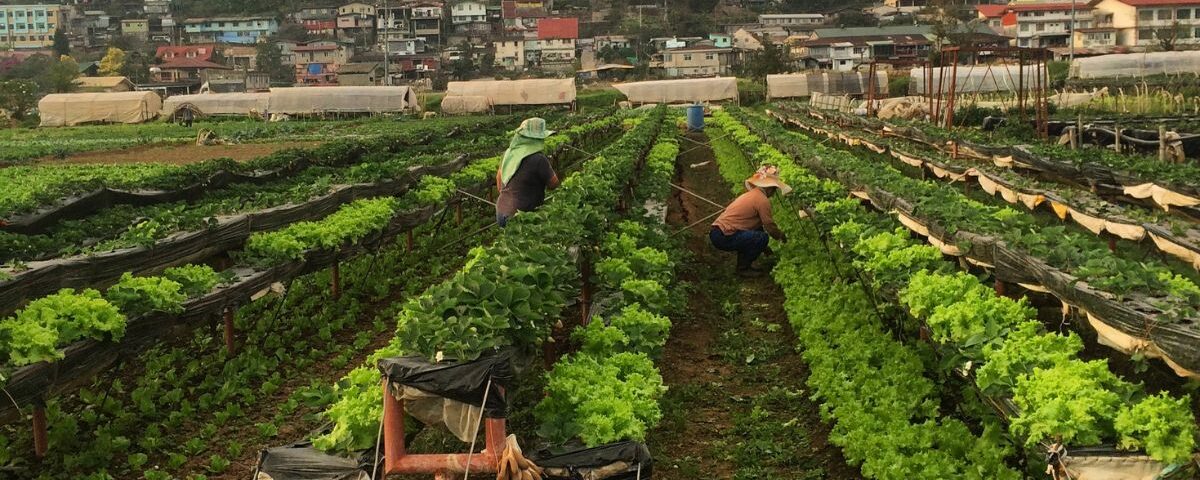
Farming has come a long way from traditional plows and manual labor. Today, agriculture is at the heart of technological transformation, driven by the need to feed a growing global population, combat climate change, and make farming sustainable. But what does the future of farming look like?
Here are five groundbreaking innovations that are reshaping agriculture forever.
1. Precision Agriculture: Farming with Data
Gone are the days of guesswork. With precision agriculture, farmers use GPS technology, sensors, and satellite imaging to monitor crops in real time. This allows them to:
- Apply the exact amount of water and fertilizer needed.
- Detect plant diseases before they spread.
- Reduce waste and maximize yields.
Data-driven farming means smarter decisions and higher efficiency—saving both money and resources.
2. Drones for Crop Monitoring and Spraying
Drones are no longer just for photography—they’re becoming essential farm tools. Equipped with high-resolution cameras and sensors, drones can:
- Monitor crop health from the air.
- Map large fields quickly.
- Spray pesticides and fertilizers accurately.
This technology cuts labor costs, reduces chemical use, and helps farmers respond faster to potential threats.
3. Vertical Farming in Urban Spaces
Imagine growing fresh vegetables inside skyscrapers or abandoned warehouses. Vertical farming uses hydroponic or aeroponic systems to grow crops in stacked layers without soil. This method:
- Saves up to 90% of water compared to traditional farming.
- Reduces transportation costs by producing food closer to cities.
- Operates year-round, regardless of weather.
As urban populations grow, vertical farming could be the answer to local, sustainable food production.
4. Autonomous Tractors and Robotics
Self-driving tractors are no longer science fiction—they’re real and already working in fields. These autonomous machines:
- Plant seeds, plow land, and apply fertilizers without human intervention.
- Operate 24/7, improving productivity.
- Reduce labor costs in an industry facing workforce shortages.
Robotics is also being used for harvesting fruits, weeding, and even milking cows, making farms more efficient than ever.
5. Artificial Intelligence and Smart Farming Apps
AI-powered tools are helping farmers predict crop yields, detect diseases, and manage resources better. Smartphone apps and IoT devices now allow farmers to track soil moisture, temperature, and pest activity from anywhere in the world.
AI can even suggest the best planting schedules and warn about weather risks, ensuring maximum productivity with minimal risk.
The Bottom Line
The future of farming is digital, data-driven, and sustainable. These innovations are not just about growing more food—they’re about growing smarter, reducing waste, and protecting our planet.
As technology continues to evolve, farming will become more efficient and environmentally friendly than ever before.