
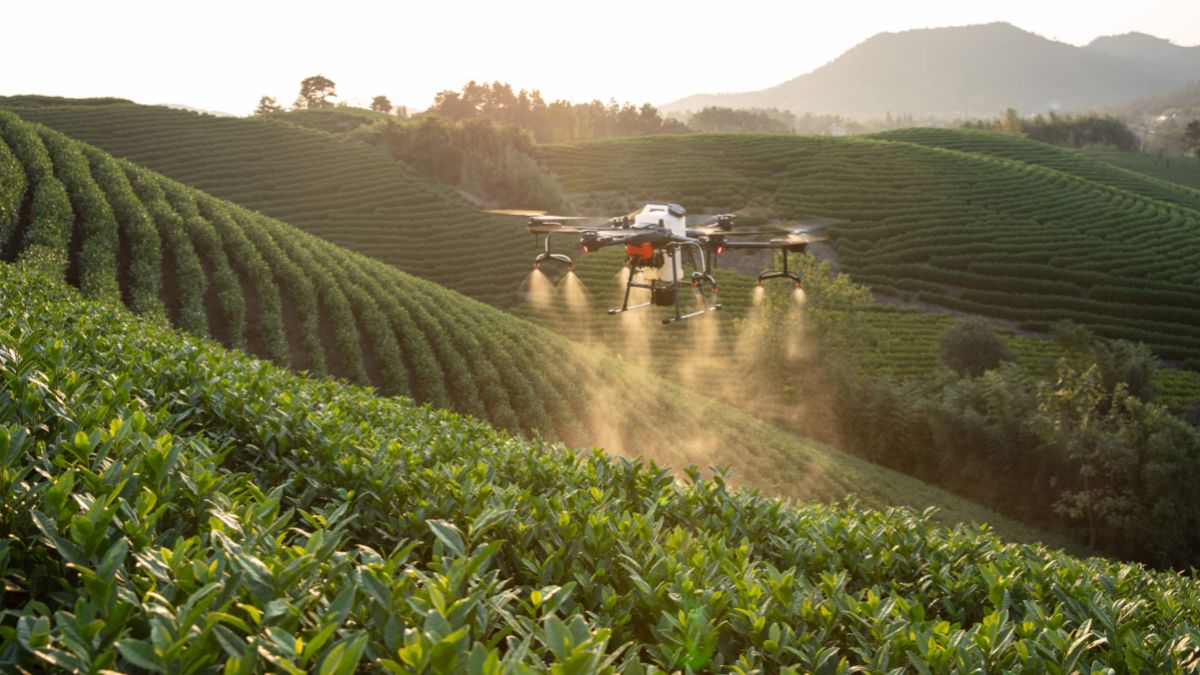
By 2050, the global population is expected to exceed 9.7 billion, placing immense pressure on our food systems. Simultaneously, climate change, soil degradation, and limited natural resources are making traditional farming increasingly unsustainable. To meet this challenge, agriculture must become smarter, more efficient, and more sustainable.
This is where precision agriculture comes in. But the question is: Is precision agriculture the future of food security? Let’s explore the technologies behind it, its impact, and whether it truly holds the key to feeding the world.
What Is Precision Agriculture?
Precision agriculture (PA) refers to the use of advanced technologies to monitor, analyze, and manage farming practices with extreme accuracy. Instead of treating an entire field the same way, PA allows farmers to tailor inputs—like water, fertilizer, and pesticides—to the specific needs of each plant or plot.
Key technologies in precision agriculture:
- GPS-guided machinery
- Remote sensing (drones, satellites)
- IoT soil and weather sensors
- AI and data analytics
- Geographic Information Systems (GIS)
These tools provide real-time data that farmers use to make informed decisions—leading to higher yields, lower costs, and less environmental harm.
How Precision Agriculture Enhances Food Security
1. Boosting Crop Yields
Precision planting and nutrient management help farmers grow more food on less land. By reducing guesswork, farmers can:
- Increase seed germination rates
- Optimize fertilizer timing and placement
- Prevent crop diseases before they spread
This directly contributes to higher, more reliable yields.
2. Minimizing Resource Waste
Smart irrigation systems use real-time moisture data to water only when necessary. Similarly, drones and variable-rate applicators target specific areas with fertilizers or pesticides. This:
- Saves water and chemicals
- Reduces runoff and pollution
- Lowers production costs
Efficient resource use is vital in areas facing water scarcity or climate stress.
3. Climate Resilience and Adaptation
With climate change threatening traditional farming patterns, precision agriculture helps farmers adapt by:
- Predicting extreme weather
- Adjusting planting schedules
- Selecting resilient crop varieties
These strategies stabilize food production in vulnerable regions.
4. Data-Driven Decision-Making
Farms equipped with sensors and analytics platforms collect huge volumes of data. AI systems analyze this data to provide:
- Early warnings for pests or disease
- Recommendations for planting or harvesting
- Real-time market trends and pricing
Access to this information empowers farmers to make smart decisions that enhance both productivity and profitability.
5. Reducing Environmental Impact
Precision agriculture promotes sustainable farming practices, reducing:
- Soil degradation
- Greenhouse gas emissions
- Chemical overuse
This not only protects ecosystems but also ensures that the land remains fertile for future food production.
Traditional Farming vs Precision Agriculture
| Feature | Traditional Farming | Precision Agriculture |
|---|---|---|
| Input Use | Uniform, large-scale | Targeted and optimized |
| Data Use | Minimal or manual | Real-time, digital, and automated |
| Environmental Impact | High | Low and sustainable |
| Yield Prediction | Based on experience | Data-driven and accurate |
| Climate Resilience | Low | High with adaptive technologies |
Challenges to Consider
While precision agriculture offers great promise, it’s not without challenges:
- High initial investment in technology and training
- Limited internet access in rural areas
- Data privacy concerns
- Technological literacy gaps
Governments, NGOs, and tech providers must collaborate to make these tools affordable and accessible, especially for farmers in developing countries.
Conclusion: The Future of Food Security Is Smart
So, is precision agriculture the future of food security? The answer is a confident yes—but with a caveat. While the potential is immense, global food security depends not only on advanced technology but also on inclusive access, education, and sustainable practices.
Precision agriculture provides the tools to produce more food, more efficiently, and more sustainably, making it a cornerstone in the fight against hunger in a changing world.
FAQs
1. Can small farmers use precision agriculture?
Yes. Many precision tools—like mobile apps and soil sensors—are now affordable and designed for small farms.
2. How does precision agriculture help the environment?
It reduces waste, lowers chemical use, conserves water, and minimizes the carbon footprint of farming.
3. Is precision agriculture expensive?
Initial costs can be high, but long-term savings and increased yields often offset the investment.