
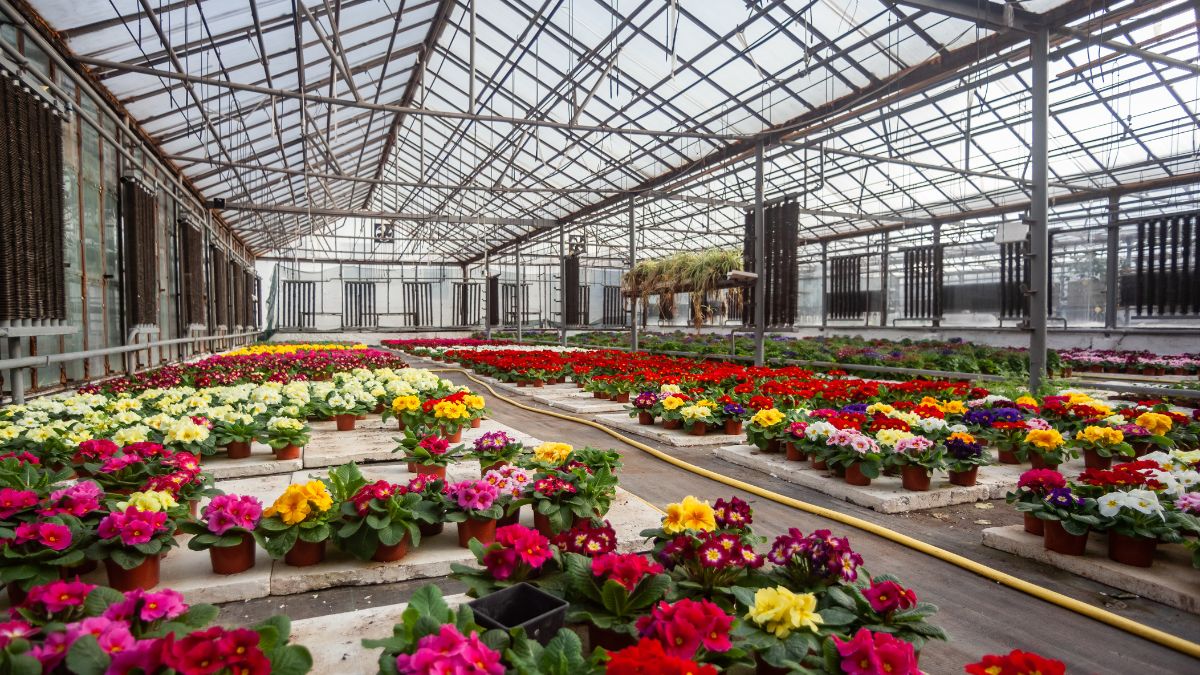
Move over vegetables—flowers are the new cash crop. In 2025, floriculture has emerged as one of the most profitable sectors in agriculture, especially for small and mid-sized farmers. Thanks to growing global demand, wedding industries, e-commerce flower delivery, and sustainable gifting trends, flowers are in full bloom—economically and literally.
If you’re a farmer, entrepreneur, or horticulture enthusiast, now is the perfect time to explore the top floriculture trends and find out which flowers are making farmers rich in 2025.
Why Floriculture Is Thriving in 2025?
Several factors are fueling the rise of flower farming:
- Global demand for exotic and organic flowers
- E-commerce boom in floral delivery services
- Weddings and events bouncing back post-pandemic
- Sustainable gifting preferences
- Low investment, high return compared to some food crops
Let’s take a look at the most lucrative flower varieties and trends dominating the floriculture industry this year.
1. Roses—Still the Reigning Queen
Roses remain the top-selling flower worldwide, with year-round demand for:
- Red roses (romantic occasions)
- Pink and white roses (weddings)
- Organic, pesticide-free roses (premium markets)
Why They’re Profitable in 2025:
- Can be grown in greenhouses or open fields
- High demand in both domestic and export markets
- Fast turnover with multiple harvests a year
Hot Trend: Scented heritage rose varieties and rainbow-colored roses are trending in luxury markets.
2. Sunflowers—Bright, Bold, and Profitable
Sunflowers have gone from decorative to multifunctional crops—used for floristry, oil extraction, and even seeds.
Why Farmers Love Them:
- Low maintenance
- Fast-growing (60–90 days)
- Strong market for cut flowers, seeds, and dried arrangements
2025 Trend: Miniature and colored sunflowers (orange, maroon) are trending in urban florist shops.
3. Marigolds—The Golden Crop
Marigolds are booming in 2025, especially in South Asia and the U.S. for festivals, religious functions, natural dyes, and pest control.
Profit Drivers:
- Extremely low-cost to grow
- Pest-resistant
- High local demand in religious, wedding, and event decoration markets
Money Tip: Farmers are now using marigold petals in herbal cosmetics and natural pigments, doubling income.
4. Gerbera Daisies—A Florist’s Favorite
Gerberas are colorful, long-lasting flowers that are always in demand for bouquets and arrangements.
Why They’re Trending:
- Available in multiple vibrant shades
- High yield per plant (cut-and-come-again)
- Popular in the wedding and gifting industry
2025 Twist: Bi-colored and oversized Gerberas are the latest Instagram-worthy craze.
5. Lotus and Water Lilies—The Aquatic Riches
Aquatic floriculture is gaining traction in 2025, especially in tropical regions where farmers use ponds or water bodies to grow lotus and lilies.
Why It Pays:
- High market value for religious and cultural ceremonies
- Minimal input once ponds are established
- High shelf life when refrigerated correctly
Insider Note: Lotus seeds and stems also fetch extra income—turning one plant into a multi-product crop.
6. Lavender—From Aroma to Income
Lavender isn’t just a flower—it’s a brand. Used in perfumes, wellness products, teas, and essential oils, lavender farming is booming in 2025.
Why It’s Bankable:
- Drought-tolerant and hardy
- High-value in essential oil markets
- Popular with eco-conscious buyers
Pro Tip: Organic lavender farms with agri-tourism add-ons are seeing huge profits.
7. Tulips and Exotic Bulbs—High-End Market Gold
While harder to grow in tropical zones, tulips and other bulb flowers (like lilies, hyacinths) are hot sellers in temperate zones and controlled environments.
What Makes Them Lucrative:
- Ideal for export
- High per-stem price in wedding markets
- Strong demand in spring flower festivals and boutique stores
Growth Hack: Farmers using cold storage and smart timing are cashing in during seasonal price surges.
Other Floriculture Trends in 2025
- Eco-Friendly Floristry: Demand for pesticide-free, locally sourced flowers is soaring.
- Dried Flowers & Grasses: Pampas grass, bunny tails, and preserved roses are trending for décor.
- Vertical Flower Farming: Urban farmers are growing flowers in hydroponic and vertical setups.
- Floral Subscription Boxes: Direct-to-consumer models are booming via social media.
- Agri-Tourism & Flower Festivals: Many farmers are boosting income by opening their farms for photo shoots, workshops, and events.
How Much Can You Earn?
| Flower Type | Avg. Cost per Acre (USD) | Potential Income per Acre (USD) |
|---|---|---|
| Marigold | $600–$800 | $3,000–$5,000 |
| Rose (polyhouse) | $2,000–$3,500 | $15,000–$25,000 |
| Lavender | $1,200–$1,800 | $6,000–$10,000 |
| Gerbera (polyhouse) | $3,000–$4,500 | $20,000+ |
| Sunflower | $500–$700 | $2,000–$3,500 |
Note: Earnings depend on location, variety, and access to markets.
Conclusion: Flowers Are the Future
Floriculture in 2025 isn’t just beautiful—it’s booming business. With smart crop selection, sustainable methods, and a little marketing creativity, farmers can earn more from a bouquet than a bushel.
So whether you have one acre or ten, there’s never been a better time to start growing your fortune—one flower at a time.
FAQs
1. Which flower gives the highest profit per acre in 2025?
Gerberas and roses, especially under greenhouse conditions, yield the highest profits.
2. Can small farmers succeed in floriculture?
Yes! With the right flower choices, even a small plot can generate high income through local sales, subscriptions, or agri-tourism.
3. Are there government schemes for flower farming?
In many countries including the U.S. and India, horticulture and floriculture programs offer subsidies, training, and market support.