
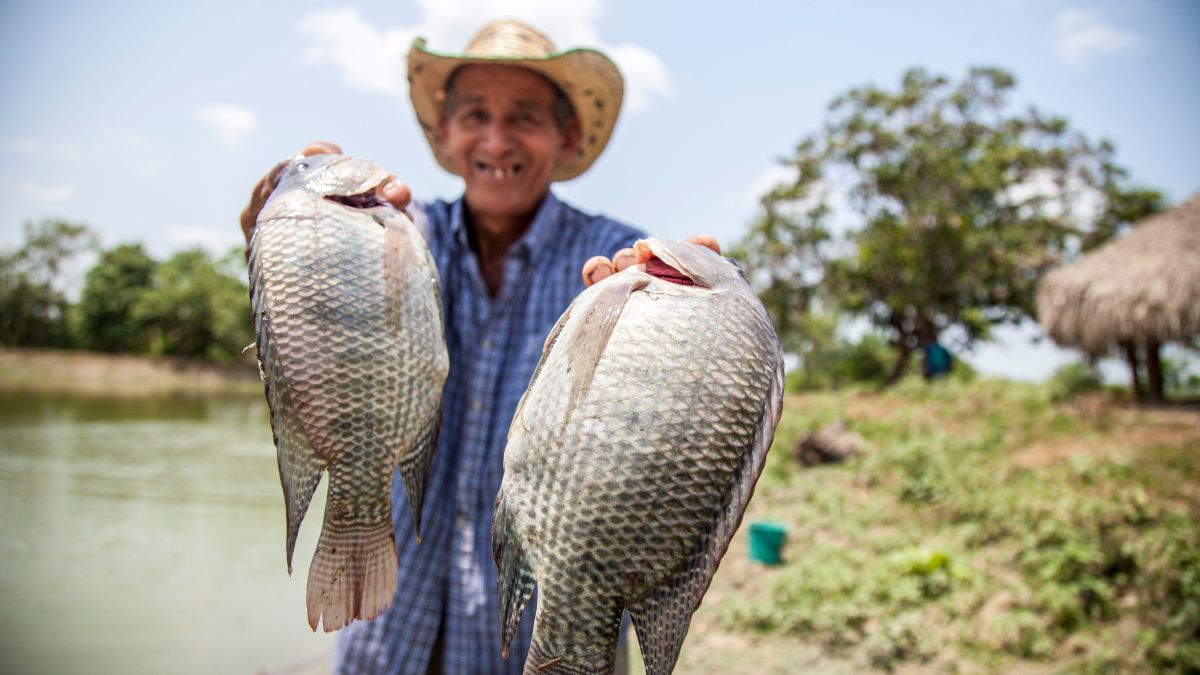
Whether you’re running a small backyard pond, a commercial fish farm, or a home aquarium, fish health is the foundation of a successful aquatic system. Disease outbreaks, poor water quality, and stress can cause major losses—but most of these issues are preventable with the right care.
Here are expert-backed tips to keep your fish happy, healthy, and thriving.
1. Start with Clean, Quality Water
Water is to fish what air is to humans. Poor water quality is the #1 cause of fish stress and disease.
Test water regularly for:
- pH (ideal range: 6.5–8.5 depending on species)
- Ammonia and nitrite (should be 0 ppm)
- Dissolved oxygen (DO) above 5 mg/L for most species
- Temperature within species-specific limits
Tip: Use aerators or water filters in ponds or tanks to maintain oxygen and clarity.
2. Choose Healthy Stock from Reputed Sources
Always buy fingerlings or broodstock from certified, disease-free hatcheries.
Avoid fish that show signs of:
- Discoloration or open wounds
- Clamped fins or erratic swimming
- Lethargy or staying near the water surface
Pro tip: Quarantine new fish for 2–3 weeks before mixing with others.
3. Feed a Balanced and High-Quality Diet
Nutrition plays a vital role in immunity and growth.
- Use species-specific feed rich in proteins, vitamins, and minerals
- Avoid overfeeding—uneaten feed pollutes water
- Feed at the right time and quantity based on:
- Fish size
- Water temperature
- Growth stage
Tip: Feed small quantities 2–3 times a day instead of one large meal.
4. Maintain Hygiene and Biosecurity
Just like land animals, fish can get infections if hygiene is ignored.
Follow biosecurity protocols:
- Disinfect nets, buckets, and equipment
- Prevent wild birds and animals from accessing tanks/ponds
- Regularly remove sludge or waste from the bottom
- Avoid overcrowding to reduce stress
No entry for unauthorized personnel in fish farms—limit disease spread.
5. Prevent and Monitor for Common Fish Diseases
Some common diseases include:
- Ich (white spot disease) – white dots on fins, scratching behavior
- Fin rot – frayed or discolored fins
- Fungal infections – cotton-like growths on skin
- Bacterial infections – ulcers, bloating, or erratic swimming
Expert Tip:
“Early detection saves your entire stock. Isolate sick fish and treat promptly with appropriate medication or salt dips under guidance.”
6. Use Natural Remedies When Possible
Some natural solutions can support fish health without harsh chemicals:
- Salt baths (3–5 ppt) to reduce parasites
- Garlic-based feed additives for immunity
- Neem leaf decoctions (for ponds) as mild disinfectants
- Probiotics in feed to support gut health
7. Stay Trained & Connected with Experts
Join aquaculture groups or fishery departments to:
- Stay updated on best practices
- Learn about new vaccines or treatments
- Share experiences and get help during disease outbreaks
Keep a vet or aquaculture expert on call for emergencies.
Final Thoughts
Keeping your fish healthy doesn’t have to be complicated—it requires consistency, attention to detail, and preventative care. Whether you’re a hobbyist or commercial fish farmer, these expert tips can help you:
- Reduce mortality
- Improve growth and productivity
- Ensure profitability and peace of mind
Happy fish = healthy farm = successful business.