
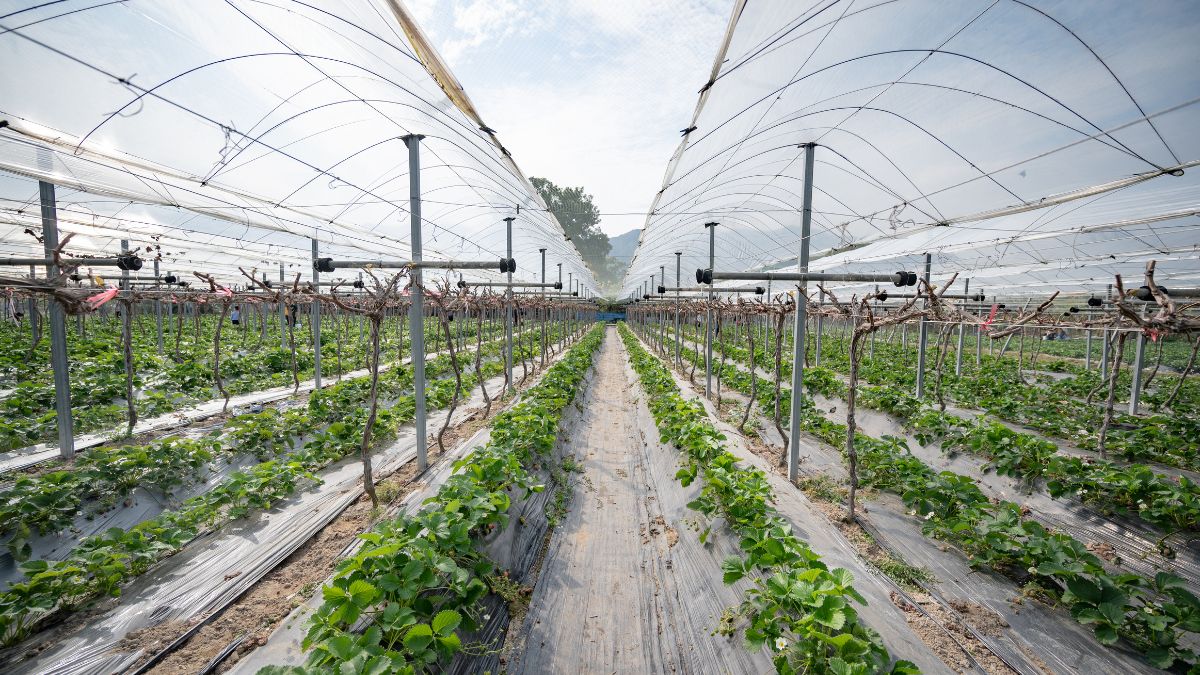
Commercial vegetable farming can be incredibly rewarding—but it’s also filled with challenges. Many new and even experienced farmers make mistakes that cost them money, reduce yields, or lead to crop failure. Fortunately, most of these errors are avoidable with the right knowledge and preparation.
In this article, we reveal the top 7 mistakes to avoid in commercial vegetable farming, so you can grow smarter, not harder.
1. Poor Site Selection
Why It’s a Problem:
Your farm’s location directly affects soil fertility, water availability, sunlight exposure, and disease risk. Starting a vegetable farm without assessing the land’s suitability can lead to stunted growth, pest issues, or irrigation problems.
How to Avoid It:
- Conduct a soil test before planting
- Ensure proper sunlight (6-8 hours/day)
- Choose land with good drainage and access to water
- Avoid areas prone to flooding or industrial pollution
2. Ignoring Soil Health
Why It’s a Problem:
Vegetables are heavy feeders and need nutrient-rich, balanced soil. Neglecting soil pH, fertility, and organic matter leads to weak crops, low yields, and increased pest problems.
How to Avoid It:
- Test soil regularly (pH, nitrogen, phosphorus, potassium levels)
- Add organic compost or manure to improve soil texture
- Practice crop rotation and cover cropping
- Avoid excessive chemical fertilizers
3. Planting the Wrong Crops for Your Region
Why It’s a Problem:
Choosing vegetables that don’t suit your climate, soil type, or market demand leads to poor results. Some crops may require conditions you can’t provide.
How to Avoid It:
- Select crops based on local climate zones
- Consult agriculture extension services for crop recommendations
- Start with high-demand and easy-to-grow vegetables like tomatoes, okra, or spinach
- Observe local market trends before planting
4. Overlooking Water Management
Why It’s a Problem:
Both overwatering and underwatering can ruin your crop. Water mismanagement leads to root rot, poor germination, or drought stress.
How to Avoid It:
- Install drip or sprinkler irrigation systems for consistency
- Use mulch to retain soil moisture
- Monitor weather forecasts and adjust watering accordingly
- Collect rainwater during wet seasons
5. Inadequate Pest and Disease Control
Why It’s a Problem:
Pests and diseases spread quickly in commercial fields. Waiting too long to act can wipe out an entire crop and cause losses.
How to Avoid It:
- Scout fields regularly for signs of pests and diseases
- Use integrated pest management (IPM) strategies
- Apply biological or organic pesticides where possible
- Maintain field hygiene by removing weeds and infected plants
6. Poor Marketing and Sales Planning
Why It’s a Problem:
You may grow an excellent crop, but without a plan to sell it, your harvest could go to waste or sell at a loss. Many farmers forget to factor in the business side of farming.
How to Avoid It:
- Identify your target market (wholesale, retail, farmers’ markets, restaurants) early
- Build relationships with buyers and distributors
- Consider value addition (e.g., washed, packaged vegetables)
- Stay updated with market prices and demand cycles
7. Lack of Record Keeping and Farm Management
Why It’s a Problem:
Running a farm without tracking inputs, expenses, and outputs makes it hard to identify problems or improve productivity.
How to Avoid It:
- Maintain records of seeds used, fertilizers, pest treatments, labor, and harvests
- Use farm management apps or simple spreadsheets
- Analyze your data to improve planning and cut unnecessary costs.
Conclusion
Commercial vegetable farming isn’t just about planting and harvesting—it’s about making smart decisions every step of the way. By avoiding these seven common mistakes, you can improve your yields, reduce losses, and build a profitable, sustainable farming business.
Remember: successful farming is as much about planning and management as it is about soil and seeds. Learn, adapt, and grow!
FAQs
1. What is the biggest mistake new vegetable farmers make?
Ignoring soil testing and planting crops without understanding the land’s condition is a common and costly error.
2. How can I sell my vegetables more profitably?
Build relationships with local markets, restaurants, or co-ops. Consider direct-to-consumer models like CSA (Community Supported Agriculture).
3. Is commercial vegetable farming profitable?
Yes—if managed well with proper planning, pest control, and marketing, it can generate consistent income.