
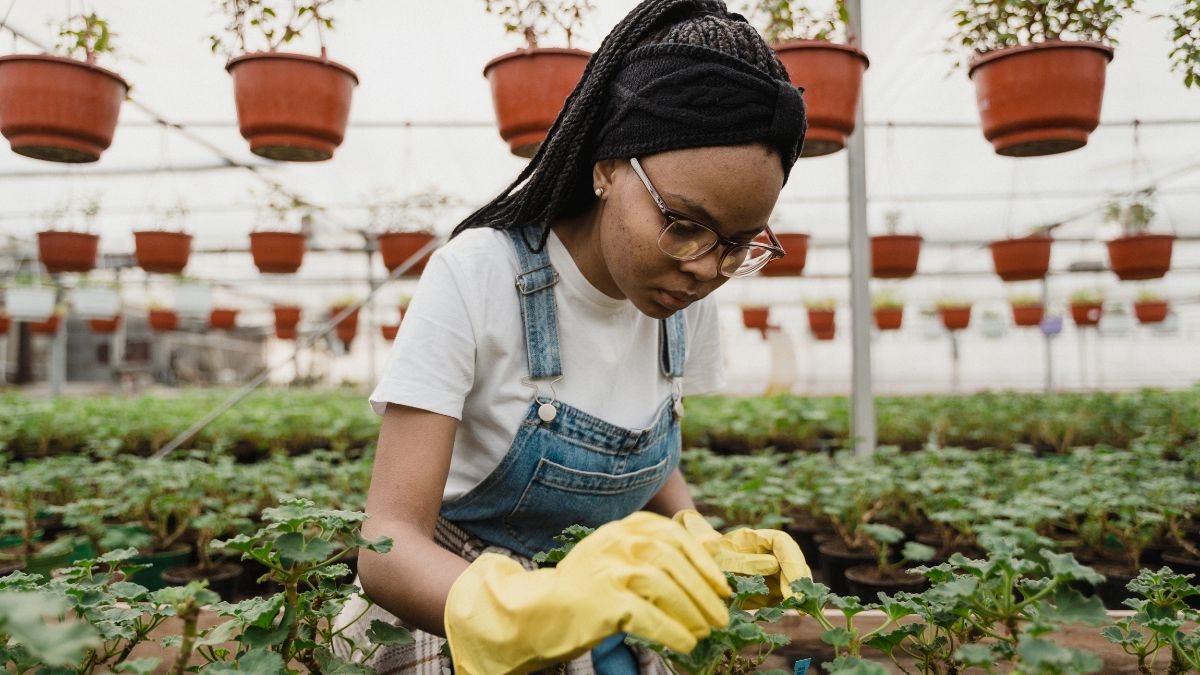
Tropical climates are a horticulturist’s dream and nightmare. Abundant sunlight, frequent rain, and year-round warmth offer massive growing potential—but only if you know how to play the game.
Humidity, floods, aggressive pests, and poor soils? They’re real. But so is the potential to grow vibrant, high-quality fruits, vegetables, flowers, and herbs all year long.
So what’s the secret? It’s not luck. It’s smart choices, time-tested strategies, and a touch of innovation. Let’s dig into the most underrated yet powerful secrets to successful horticulture in tropical regions.
Secret #1: Think Like a Local Plant
If you’re growing lettuce that wilts in the midday sun or tomatoes that can’t stand humidity—you’re setting yourself up for failure.
What to do:
Grow what thrives naturally in the tropics—or at least varieties bred for them. Think:
- Heat-tolerant cherry tomatoes
- Disease-resistant cucumbers
- Local heroes like okra, eggplant, and tropical spinach (amaranth)
Insider Tip: Look for seed varieties labeled “heat-tolerant,” “early-maturing,” or “humidity resistant.”
Secret #2: Your Soil Is Alive—Feed It First
Tropical soils often look dark and rich, but heavy rains can strip them of nutrients fast. The biggest rookie mistake? Planting without prepping the soil.
Game-Changer Move:
- Feed your soil with compost, vermicompost, green manure, or even biochar
- Use cover crops like mung beans or cowpea to rebuild soil between seasons
- Mulch like crazy—it cools the soil, blocks weeds, and preserves moisture
Unexpected Win: Healthier soil naturally deters pests and disease. No chemicals needed.
Secret #3: Don’t Just Water—Water Smart
Tropical rains are dramatic—either too much or not enough. And waterlogging is just as damaging as drought.
Water Wisdom:
- Install low-cost drip systems (gravity-fed works!)
- Use raised beds to prevent root rot in flood-prone areas
- Catch and store rainwater in barrels or tanks for dry spells
Old-School Trick: Bury a clay pot (olla) near your plants. Fill it with water. The soil will pull just what it needs.
Secret #4: Outsmart Pests, Don’t Chase Them
Tropical pests are fast, ruthless, and multiplying. Spraying chemicals weekly won’t save you—it’ll just burn holes in your wallet and harm your soil.
The Smarter Strategy:
- Intercrop: Mix crops like basil with tomatoes or marigolds with eggplants to confuse pests
- Neem spray + garlic-chili spray = a natural pest punch combo
- Install sticky traps and attract beneficial insects like ladybugs and lacewings
Bonus: Many pest-repelling herbs (like lemongrass and holy basil) double as marketable products!
Secret #5: Use Shade… Strategically
Yes, your plants love sun. But too much of a good thing can ruin your crop. Especially with tender veggies or seedlings.
Create Microclimates:
- Use shade nets during peak heat
- Plant taller crops (like corn or banana) to shelter sensitive plants below
- Use trellises to give vertical shade while saving space
Real Example: Lettuce under partial shade in the tropics often performs better than full-sun lettuce!
Secret #6: Time Everything Around the Rain
In tropical climates, when you plant can be just as important as what you plant.
Winning Formula:
- Know your rainy and dry seasons
- Plant root crops (like carrots and beets) just before the dry season
- Save leafy greens (spinach, kale) for cooler, post-rainy months
Use Tech Wisely: Free farming apps like AgriApp, Plantix, or even Google Weather Alerts help plan planting and harvesting windows perfectly.
Secret #7: Diversify or Die (Financially)
Depending on a single crop in a tropical climate? That’s like building your house on a sand dune.
Mix It Up:
- Plant short-duration veggies (like leafy greens) between long-duration crops (like papaya or banana)
- Grow high-value add-ons like herbs, edible flowers, or mushrooms
- Add value by drying, pickling, or packaging your harvest
Money Magnet Tip: Locally grown herbs like mint, oregano, and turmeric are in demand—especially when sold fresh and pesticide-free.
Conclusion: Grow Smart, Grow Bold
Horticulture in tropical climates isn’t for the faint-hearted—but it’s incredibly rewarding when done right. By embracing local wisdom, sustainable methods, and a few clever hacks, you can grow lush, high-quality crops with resilience and profitability.
Whether you’re managing a half-acre or ten, these secrets aren’t just tips—they’re your tools for turning tropical challenges into harvest gold.
FAQs
1. What are the best vegetables for tropical climates?
Okra, eggplant, chili, amaranth, sweet potato, and yardlong beans thrive in tropical conditions.
2. Can I grow leafy greens in the tropics?
Yes, with partial shade, good drainage, and early-morning watering, greens like spinach and kale grow well.
3. How do I reduce pests without chemicals?
Use neem oil, garlic spray, crop rotation, and plant herbs like basil or marigold as natural repellents.