
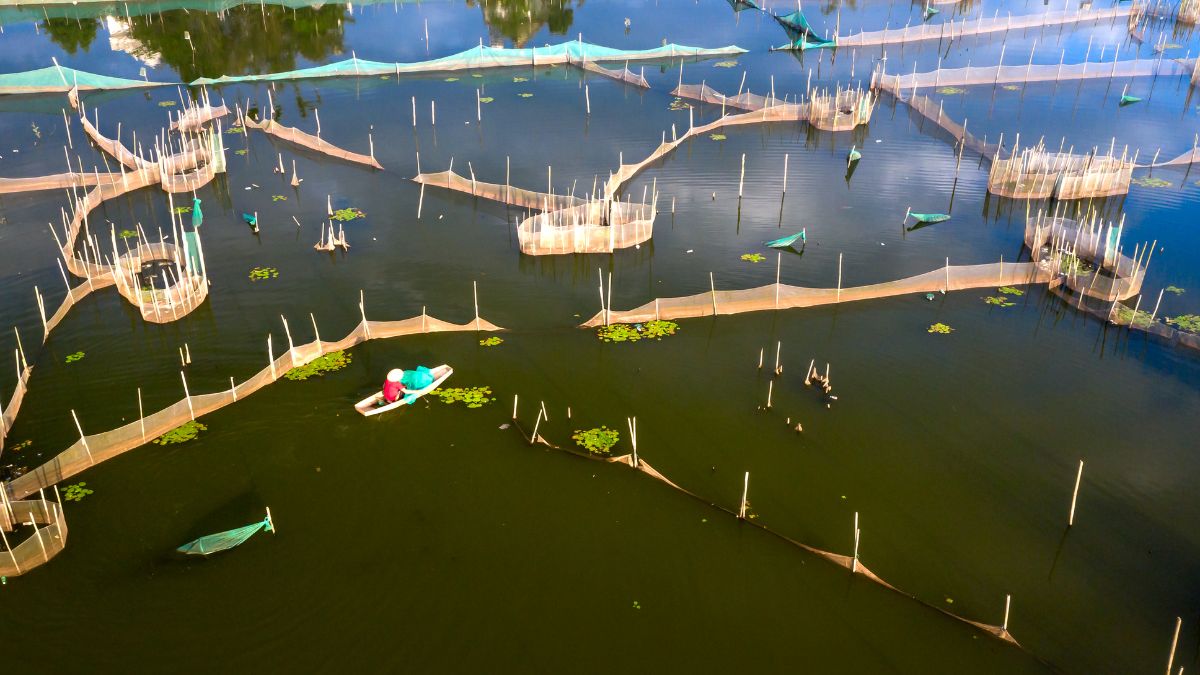
Fisheries farming, or aquaculture, is one of the fastest-growing food sectors in the world. With rising demand for protein-rich food, fish farming offers high profits, sustainable food production, and job opportunities—even for those starting with limited space and capital.
Whether you want to raise fish in ponds, tanks, cages, or a backyard setup, this beginner’s guide will teach you the step-by-step process to start and succeed in aquaculture.
Why Choose Aquaculture?
- High market demand for fish and seafood
- Fast growth cycles for many species
- Can be done in rural or urban areas
- Less land needed than traditional farming
- Export potential in many countries
If managed well, fisheries farming can be a profitable agribusiness with relatively low startup costs.
Step 1: Decide What Type of Aquaculture You Want
There are several methods to farm fish, depending on your location, budget, and resources.
Pond-Based Farming
- Traditional and cost-effective
- Ideal for rural or semi-urban areas
- Suitable for carp, tilapia, catfish
Tank or RAS (Recirculating Aquaculture System)
- Great for urban farming and limited space
- High initial cost, but water-efficient and controllable
- Best for high-value fish like trout, shrimp, or ornamental fish
Cage Culture
- Used in lakes, rivers, or reservoirs
- Ideal for large-scale fish farming
- Requires permits and environmental monitoring
Pro Tip: For beginners, pond farming or tank-based systems are the easiest to manage and most cost-effective.
Step 2: Choose the Right Fish Species
Choose species based on your climate, water availability, local market demand, and your technical knowledge.
| Fish Species | Growth Speed | Market Value | Ideal System |
|---|---|---|---|
| Tilapia | Fast (6 months) | Medium | Ponds, tanks |
| Catfish | Fast | Medium-High | Ponds, cages |
| Rohu/Katla | Medium | High | Earthen ponds |
| Shrimp | Fast | Very High | Brackish tanks, ponds |
| Trout | Medium-Fast | High | RAS (coldwater) |
Beginner-friendly: Start with tilapia or catfish—they’re hardy, fast-growing, and widely consumed.
Step 3: Set Up Your Fish Farm
Site Selection
- Good water source (well, river, borewell)
- Soil with low permeability (for pond farming)
- Flat land with minimal flooding risk
Farm Setup
- Construct tanks or ponds with proper inlets/outlets
- Add fencing for protection
- Set up aeration (especially in tanks)
- Install filtration if using RAS or tanks
Don’t forget: Regular water testing (pH, ammonia, dissolved oxygen) is critical for fish health.
Step 4: Feeding and Management
Feeding Your Fish
- Use commercial feed or formulate your own
- Feed based on size and species (2–3 times a day)
- Avoid overfeeding—it pollutes water
Daily Management
- Monitor water quality
- Check for fish behavior and signs of disease
- Remove dead or weak fish promptly
- Clean tanks or manage pond algae regularly
Step 5: Harvesting and Marketing
Harvesting
- Partial or full harvesting depending on demand
- Use nets or pumps
- Handle fish gently to avoid damage
Marketing Strategies
- Sell to local fish markets or wholesalers
- Supply directly to restaurants, hotels, or cold storage
- Explore home delivery, e-commerce, or export if volume allows
Value Addition: Smoked, dried, filleted, or live fish fetch higher prices.
Basic Cost & Profit (1 Acre Pond, Catfish)
| Item | Estimated Cost (USD) |
|---|---|
| Pond construction | $2,000 |
| Fingerlings (5,000) | $500 |
| Feed (6 months) | $3,000 |
| Labor, aeration, etc. | $800 |
| Total Investment | $6,300 |
| Expected Revenue | $10,000–$12,000 |
| Net Profit | $3,700–$5,700 |
Break-even typically occurs within the first harvest cycle (5–7 months).
Tips to Succeed in Aquaculture
- Start small and scale up after your first cycle
- Focus on water quality—it’s the lifeline of your fish
- Build a local market network before harvesting
- Keep records of feed, growth, and disease
- Use solar pumps or aerators to reduce energy cost
Conclusion
Fisheries farming in 2025 is more than a trend—it’s a sustainable, profitable way to grow food and build a business. Whether you’re looking to earn extra income or start a full-time agribusiness, aquaculture offers a flexible, high-return opportunity for anyone with the right mindset and plan.
Start small, learn fast, and watch your farm grow—one fish at a time.