
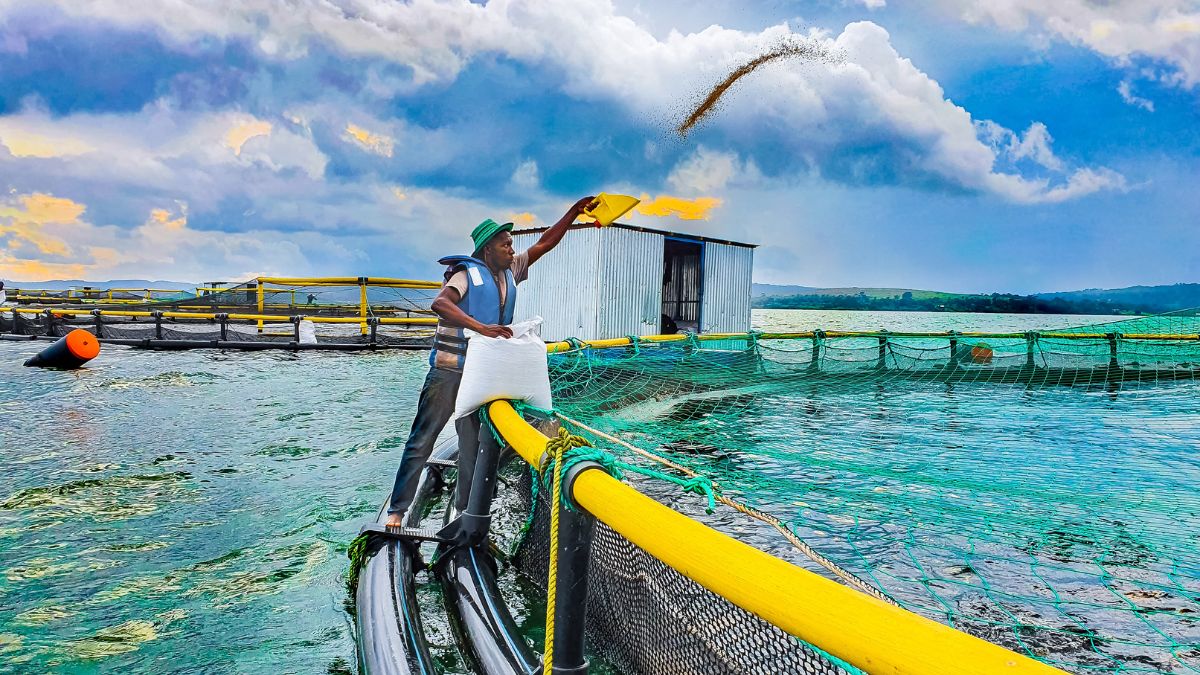
Fish farming—or aquaculture—is no longer just for big commercial setups. With growing demand for fresh, healthy seafood and advances in low-cost farming techniques, small-scale fish farmers are making serious profits.
But not all fish are created equal. Some species grow faster, require less feed, and fetch higher prices in the market. Choosing the right species is the first and most important step toward a successful aquaculture business.
Instead of a long list, we’ve picked the top 5 fish species that are most profitable for small farms, based on:
- Growth rate
- Feed efficiency
- Survival rate
- Market price
- Ease of farming in small spaces
Let’s dive into each species.
1. Tilapia – The Small Farmer’s Best Friend
Fast Facts:
- Growth time: 5–6 months
- Water type: Freshwater
- Average yield: 3–4 tons per acre
- Market price: Moderate but consistent
- Feed: Plant-based (low-cost)
Why It’s Profitable:
Tilapia is hardy, fast-growing, and disease-resistant. It’s one of the easiest fish to raise and requires less protein-rich feed, making it cheaper to farm.
Best For:
- Beginners
- Backyard tanks
- Low-budget setups
2. Catfish – The Feed-to-Fillet Winner
Fast Facts:
- Growth time: 4–5 months
- Water type: Fresh or slightly brackish
- Average yield: 4–5 tons per acre
- Market price: Higher than tilapia
- Feed: Carnivorous but efficient FCR
Why It’s Profitable:
Catfish grow fast and have a high survival rate. They adapt well to crowded conditions, making them ideal for small tanks or ponds.
Best For:
- Farmers with limited space
- Controlled tank systems
- Direct-to-market sellers
3. Rohu – The Indian Powerhouse
Fast Facts:
- Growth time: 6–8 months
- Water type: Freshwater ponds
- Average yield: 2.5–3 tons per acre
- Market price: High in South Asia
- Feed: Plant and algae-based
Why It’s Profitable:
Rohu is a staple in South Asian cuisine and has a huge cultural demand. It grows well with other fish in polyculture systems (e.g., with catla or mrigal).
Best For:
- Farmers in India, Bangladesh, Nepal
- Earthen pond systems
- Local ethnic markets
4. Pangasius (Basa) – The Export Star
Fast Facts:
- Growth time: 6–7 months
- Water type: Fresh/brackish
- Average yield: 5–6 tons per acre
- Market price: Moderate (high in export)
- Feed: High-protein commercial feed
Why It’s Profitable:
Pangasius is fast-growing, hardy, and ideal for large-volume production. Though it needs a bit more feed, its high yield makes up for it.
Best For:
- Semi-commercial small farms
- Export-focused farmers
- High-density tank farming
5. Koi Carp (Ornamental) – Beauty That Sells
Fast Facts:
- Growth time: 6–12 months (depending on size)
- Water type: Freshwater tanks or ponds
- Market price: Very high (based on color, pattern)
- Feed: Specialized pellets
Why It’s Profitable:
Koi fish are sold not by weight—but by beauty. They command premium prices, especially in ornamental fish markets, garden stores, and exports.
Best For:
- Urban and hobby farmers
- Rooftop or backyard tank setups
- Farmers with access to niche markets
At a Glance: Profit Comparison Table
| Fish Species | Growth Time | Avg. Market Price | Ease of Farming | Profit Potential |
|---|---|---|---|---|
| Tilapia | 5–6 months | Moderate | Very Easy | High |
| Catfish | 4–5 months | High | Easy | Very High |
| Rohu | 6–8 months | High (regional) | Medium | High |
| Pangasius | 6–7 months | Export-focused | Moderate | High |
| Koi Carp | 6–12 months | Very High (unit) | Niche | Very High (per piece) |
How to Choose the Right Fish for You?
Ask yourself these questions before deciding:
- Do I have access to clean freshwater?
- Am I targeting local, export, or ornamental markets?
- Do I want a fast harvest or long-term gain?
- How much space and startup capital do I have?
If you’re a beginner, tilapia or catfish are the safest bets. If you’re willing to specialize, koi or pangasius offer outstanding returns.
Final Thoughts
You don’t need a giant farm to succeed in fish farming. With the right species, a good management plan, and access to a local market, even small-scale fish farmers can turn water into wealth.
Choose your species wisely, maintain water quality, and track your results—and success will follow.
FAQs
1. Which fish is best for fast profits?
Catfish and tilapia offer fast growth and high market demand—perfect for quick returns.
2. Is koi farming really profitable?
Yes! If you have access to ornamental fish buyers, koi can be extremely lucrative—even in small tanks.
3. Can I mix fish species in one pond?
Yes, polyculture (like rohu + mrigal + catla) is a great way to optimize space and feed usage.