
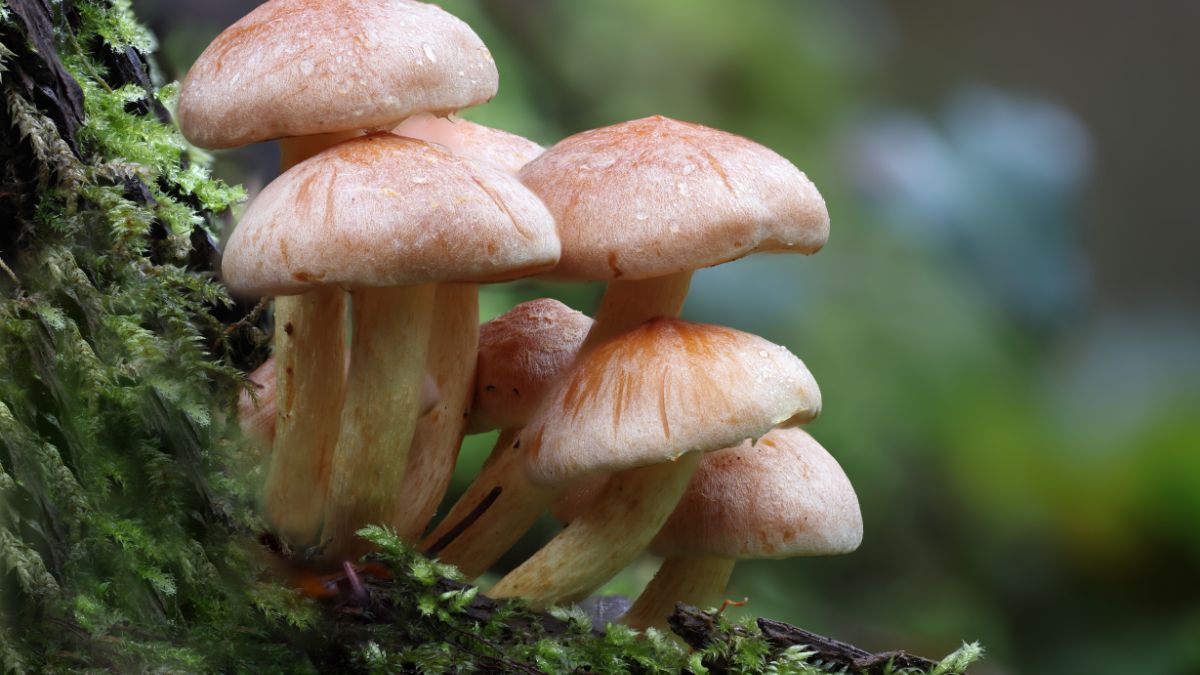
In the heart of bustling cities, a quiet revolution is growing—mushrooms. What was once considered a rural crop is now a thriving urban business model, especially in 2025, where health-conscious consumers and chefs are hungry for fresh, local, organic mushrooms.
Thanks to compact growing systems, fast turnover, and high market value, urban mushroom farming is becoming a go-to venture for young entrepreneurs, students, and small families looking to grow income in tight spaces.
Why Mushrooms Thrive in Cities?
Urban spaces may be short on soil and sunlight—but mushrooms don’t need either.
- Low space requirement (even a spare bathroom or basement will do)
- No direct sunlight needed
- Fast-growing—harvest in just 3 weeks
- Low startup cost
- High market demand for fresh and exotic varieties
The Business Model: Small Space, Big Yields
Urban growers are using innovative setups like:
- Indoor shelves with controlled temperature and humidity
- Hydroponic mushroom grow bags
- Rooftop tents and insulated containers
- Converted garages, closets, or basements
With just 100 square feet, one can grow up to 20–30 kg of mushrooms per cycle, which can fetch ₹200–₹600 ($2–$8) per kg depending on the variety.
High-Profit Varieties Grown in Cities
| Mushroom Type | Growing Time | Urban Setup Friendly? | Market Price (per kg) |
|---|---|---|---|
| Oyster | 18–25 days | Very | ₹200–₹300 ($2.5–$4) |
| Button | 25–35 days | Moderate | ₹150–₹250 ($2–$3.5) |
| Shiitake | 45–60 days | Yes (logs or blocks) | ₹500–₹700 ($6–$8) |
| Milky | 30–40 days | Yes (warm climates) | ₹200–₹300 ($2.5–$4) |
| Ganoderma (Reishi) | 60–90 days | Yes (for niche market) | ₹800+ ($10+) |
Oyster mushrooms are the most beginner-friendly and widely sold in urban markets.
Who Buys Urban-Grown Mushrooms?
Urban mushroom growers benefit from proximity to strong markets, including:
- Organic grocery stores
- Vegan cafés and fine-dining restaurants
- Health-conscious households
- Online farm-to-table delivery platforms
- Wellness shops (for medicinal mushrooms)
Many also add value by selling DIY mushroom grow kits, dehydrated products, or powders.
What You Need to Start?
Essentials for Urban Mushroom Farming:
- Small, dark, humid space (bathroom, corner room, basement, etc.)
- Mushroom spawn (Oyster for beginners)
- Substrate: straw, sawdust, cardboard, or coffee grounds
- Polybags or grow blocks
- Spray bottle or humidifier
- Thermometer & hygrometer (for indoor climate control)
Startup Cost: As low as ₹3,000–₹10,000 ($40–$120) for a mini setup
Profit Example (Oyster Mushrooms)
| Item | Quantity | Cost (INR) |
|---|---|---|
| Spawn | 5 kg | ₹1,500 |
| Grow bags (substrate) | 50 bags | ₹2,000 |
| Setup tools & trays | One-time | ₹2,500 |
| Total Investment | — | ₹6,000 |
| Expected yield (1 cycle) | 40–50 kg | — |
| Selling Price (avg) | ₹250/kg | — |
| Gross Return | — | ₹10,000–₹12,500 |
| Profit per cycle | — | ₹4,000–₹6,500 |
🔁 Repeat every 3–4 weeks with minimal re-investment.
Why Urban Mushroom Farming Is the Future?
- Eco-friendly: Uses agri-waste and recycles city food waste (like coffee grounds)
- Can be done at home with minimal disruption
- No soil or heavy chemicals required
- Works as part-time income or full business
- Scalable with value-added products
Final Thoughts: Grow More with Less
Urban mushroom farming in 2025 proves you don’t need acres of land to succeed in agriculture. With just a corner, curiosity, and care, you can build a thriving, high-profit agribusiness—right from your city flat or rooftop.
Whether you’re a student, homemaker, office worker, or retiree, mushrooms offer a real opportunity to earn big from small spaces.
FAQs
1. Is mushroom farming safe to do indoors?
Yes, if ventilation and hygiene are managed properly. Most mushrooms are odorless and require minimal space.
2. How long does it take to start earning?
You can harvest and sell oyster mushrooms in just 3–4 weeks after setup.
3. What’s the most profitable mushroom to grow in cities?
Oyster for beginners; Shiitake or Reishi for niche markets.