
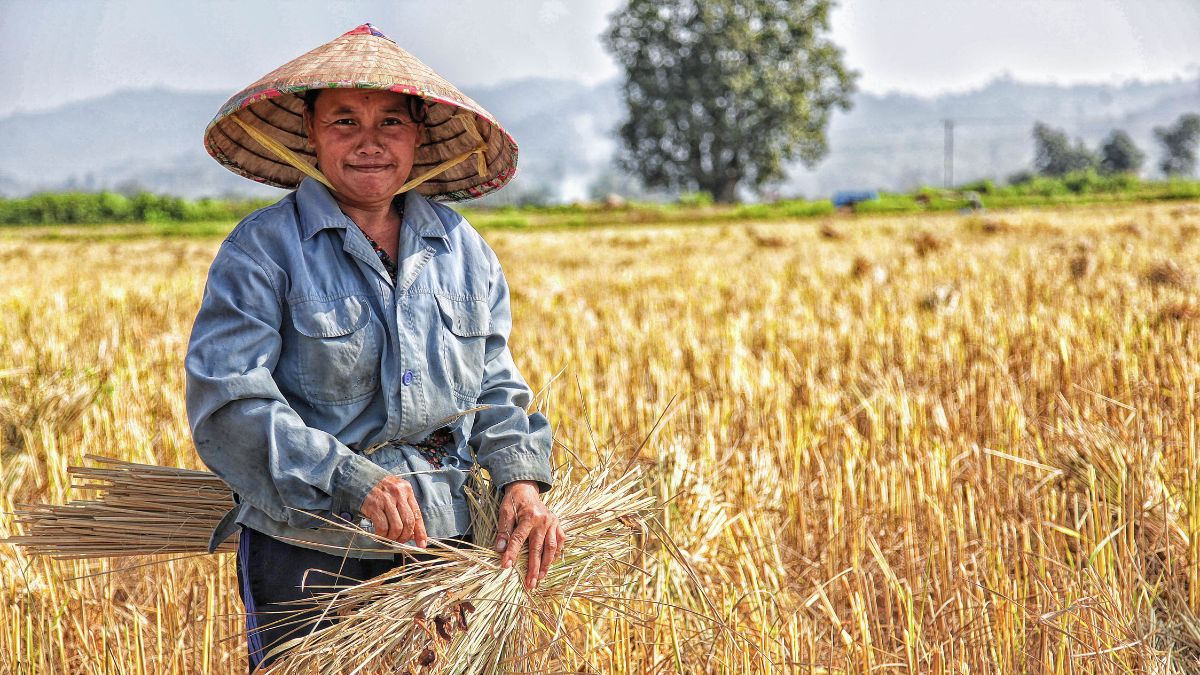
As climate change, soil degradation, and water scarcity challenge conventional agriculture, more farmers are asking:
“Is traditional farming still the best option—or is it time to switch to agroforestry?”
In 2025, both systems are widely practiced. But they offer vastly different outcomes in terms of profitability, sustainability, and long-term impact.
Let’s dig into the pros, cons, and surprising facts to determine: Agroforestry vs. Traditional Farming—Who’s winning in 2025?
Agroforestry vs. Traditional Farming
| Feature | Agroforestry | Traditional Farming |
|---|---|---|
| Soil Health | Improves over time | Often declines without inputs |
| Water Efficiency | High (trees retain moisture) | Low (high evaporation, runoff) |
| Biodiversity | High | Low |
| Climate Resilience | Very high | Vulnerable to droughts/floods |
| Profit (long-term) | High (multiple income sources) | Medium (depends on yield) |
| Startup Cost | Moderate (tree saplings, design) | Low |
| Maintenance | Moderate | Easy (but input-intensive) |
| Carbon Sequestration | Excellent | Poor |
| Government Incentives | Increasing in 2025 | Often limited |
What Is Agroforestry, Really?
Agroforestry is a land-use system that combines trees and shrubs with crops or livestock on the same land. It creates a diverse, multi-layered ecosystem that mimics nature.
It includes systems like:
- Alley cropping (trees + crops in rows)
- Silvopasture (trees + grazing animals)
- Forest farming (shade-tolerant crops under tree canopy)
- Windbreaks & shelterbelts (trees protecting fields)
What Is Traditional Farming?
Traditional farming typically refers to single-crop (monoculture) systems or livestock-only operations, often dependent on synthetic fertilizers and pesticides.
- Simpler and widely practiced
- Often depletes soil, increases pest risk, and depends on chemical inputs
Profit Potential: The Numbers in 2025
Case Study 1 – Traditional Wheat Farm (1 hectare):
- Input cost: $500
- Yield: 3 tons
- Income: $750–$900
- Net Profit: ~$300–$400 (weather-dependent)
Case Study 2 – Agroforestry with Timber + Beans + Medicinal Plants (1 hectare):
- Input cost (Year 1): $1,000
- Yearly income (from crops): $700–$1,200
- Long-term returns (from timber/fruit): $3,000+ (in Year 5–10)
- Net Profit: Grows each year; more stable and diversified
Bottom Line: Agroforestry may start slower, but over 3–5 years, it outperforms monoculture farms both financially and environmentally.
Environmental Impact: Regenerative vs. Extractive
Agroforestry Wins Big in 2025:
- Reduces soil erosion by up to 80%
- Boosts pollinator activity and natural pest control
- Captures up to 10x more carbon than traditional farms
- Revives degraded land and supports native wildlife
Traditional farms are still vital, but in many regions, they contribute to:
- Soil degradation
- Excessive water usage
- Fertilizer runoff and pollution
Challenges of Agroforestry (Yes, It’s Not Perfect)
- Takes time to plan and establish
- Trees can compete for water/light if not managed properly
- Requires knowledge of species interactions
- Initial setup may need technical support or training
But in 2025, more governments, NGOs, and universities are offering free resources, saplings, and subsidies to help farmers transition.
So… Who Wins in 2025?
Agroforestry is clearly emerging as the winner in regions facing:
- Climate change
- Water stress
- Soil depletion
- Market volatility
Traditional farming still has a place—especially for staple crops—but the future of sustainable, profitable farming in 2025 belongs to integrated systems like agroforestry.
Final Verdict: Grow Smart, Grow Together
If you’re a farmer in 2025 wondering where to invest your effort and land, agroforestry offers a more resilient, eco-friendly, and income-diverse solution.
🌳 + 🌾 = Better yields, healthier soil, and a future-proof farm.
FAQs
1. Can I start agroforestry on a small plot?
Yes, even half an acre can support alley cropping or fruit tree integration with crops.
2. How long before I see returns in agroforestry?
Short-term crops yield income in Year 1; trees and livestock add income from Year 2 onward.
3. Are there subsidies for agroforestry?
Yes. Many countries now offer financial support, training, and tree sapling distributions under climate-smart agriculture programs.