
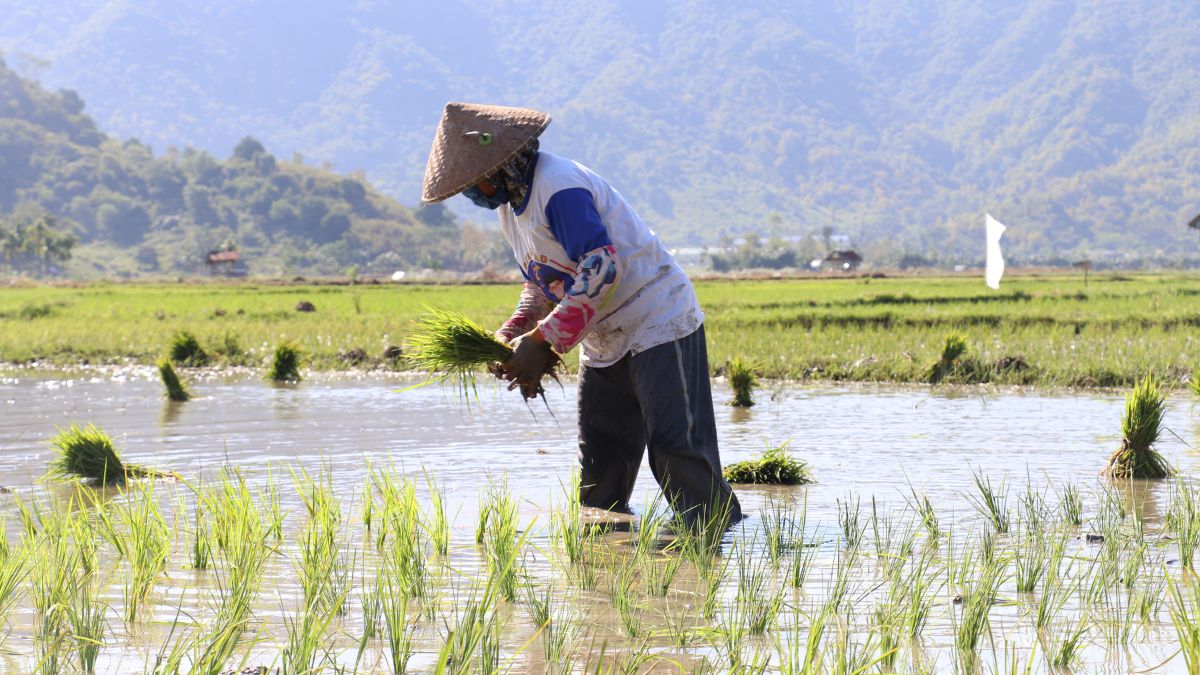
Imagine a farm where nothing goes to waste—where fish waste feeds plants, and plants help purify water for fish. It’s not a fantasy; it’s called integrated farming, and it’s transforming the way small and large farmers grow food.
By combining aquaculture (fish farming) with agriculture (crop production), farmers can create a circular system that improves efficiency, reduces input costs, and produces more from the same land.
Let’s explore how these two worlds work beautifully together—and how you can make them work on your farm.
What Is Integrated Fish-Crop Farming?
Also called aquaponics or fish-rice farming, this approach involves raising fish and growing crops in a connected or nearby system. The core idea is simple:
- Fish waste = fertilizer for crops
- Crops = natural filter for fish water
Depending on your location and setup, this can take many forms.
Common Models of Integration
| Model Type | Description | Best For |
|---|---|---|
| Aquaponics | Fish in tanks, plants in soilless beds | Urban or controlled setups |
| Rice-Fish Farming | Fish in flooded paddy fields | Rural rice growers |
| Pond + Perimeter Crops | Crops grown around fish ponds | Small landowners |
| Dike Cropping | Crops on pond banks or raised beds | Homestead farms, small plots |
Benefits: Why Combine Fish and Crops?
1. Natural Fertilizer
Fish produce nutrient-rich waste, especially ammonia. Instead of polluting the pond, that waste becomes organic fertilizer for plants.
2. Dual Income Streams
You’re not relying on just one product. You can sell fish and vegetables—doubling your harvest and reducing market risk.
3. Resource Efficiency
Fish water is reused for irrigation. Crops help filter water, reducing the need for water changes or chemical treatments.
4. Reduced Feed Costs
In rice-fish systems, fish feed on insects and organic matter naturally found in the water.
5. Eco-Friendly and Sustainable
Less need for synthetic fertilizers, less runoff, and more biodiversity.
Fish and Crop Pairings That Work
Here are some of the best fish + crop combinations for integrated farming:
| Fish Species | Compatible Crops | Best Setup |
|---|---|---|
| Tilapia | Lettuce, spinach, herbs | Aquaponics (urban tanks) |
| Catfish | Tomatoes, okra, beans | Pond + field |
| Rohu | Rice | Paddy field integration |
| Carp | Water spinach, taro | Flooded beds or channels |
| Ornamental fish | Mint, basil (for fragrance) | Balcony or rooftop tanks |
Pro Tip: Always test water pH and nutrient levels to ensure both fish and plants stay healthy.
Getting Started: What You Need
To start combining fish and crop farming, you don’t need a fancy setup. Just plan your space smartly.
Basic Setup Checklist:
- A small pond or tank (1,000–5,000 liters for beginners)
- Water pump or simple irrigation system
- Raised beds, grow bags, or containers for crops
- Shade nets or trellises if needed
- Starter fish (like tilapia or catfish)
- Local vegetable seeds or seedlings
Real-Life Example: Small Farm Success
Ravi, a farmer in Kerala, India, turned his 500 sq. ft. backyard into a productive mini farm. He built a 1,500-liter fish tank and used the wastewater to irrigate and fertilize 20 grow bags of spinach, tomatoes, and chilies.
His result:
- Harvested 15 kg of tilapia in 5 months
- Earned weekly income from vegetables
- Cut fertilizer and water bills by 60%
Challenges to Watch For
Even though the benefits are huge, there are some things to manage:
- Water quality: Must be monitored regularly (pH, ammonia, oxygen)
- Pest management: Use organic options to avoid harming fish
- Fish and plant balance: Too many fish = excess nutrients; too few = nutrient shortage
- Startup knowledge: Takes some initial learning to get the flow right
Solution: Start small, take short training or online tutorials, and scale gradually.
Conclusion
When done right, combining fish farming and crop production is a game-changing solution for sustainable farming. Whether you’re in the city with a rooftop tank or on rural land with a pond, this model lets you:
- Maximize every drop of water
- Reduce chemical inputs
- Generate two incomes from one system
- Contribute to food security and environmental health
So, why grow just one thing when you can raise fish and grow crops together—and earn twice as much?
FAQs
1. Can I start fish and crop farming on a rooftop or balcony?
Yes! Aquaponic systems are perfect for urban spaces and container gardening.
2. Is rice-fish farming difficult to manage?
Not at all. It works naturally—fish feed on insects and help control pests while fertilizing the crop.
3. What is the minimum space needed?
Even 100–200 square feet can work for a small fish tank and 10–15 grow bags of vegetables.